
Sick with no money? Four medical subsidies you can claim — even if you're not low-income
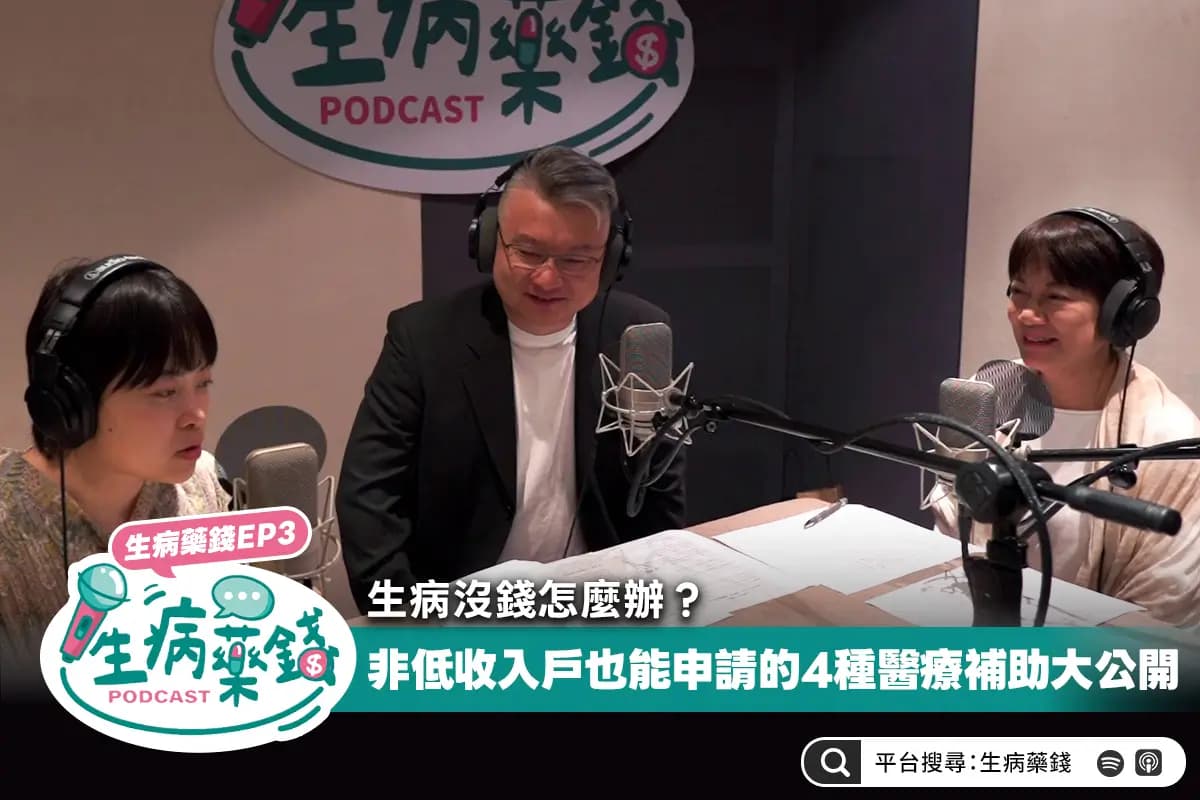
'A sudden hospitalization notice, hundreds of thousands in self-pay devices, and the bank won't lend — what now?'
When someone in the family falls, the worry is not only the illness but crushing financial pressure. Many believe only low- and middle-income households can claim subsidies — a huge myth! Inside every hospital is a remarkably capable hidden teammate: the hospital social worker. They bridge medicine and family, inventory your resources, and are the key to answering 'what do I do when I'm sick and broke?'
Myth-busting: can non-low-income families ask the hospital social worker for help?
Absolutely yes!
If sudden illness causes temporary hardship — even without low-income status — as long as medical bills or subsequent care costs overwhelm you, seek help from the hospital. Finding the social worker is simple: no registration needed. Walk to the social work or social welfare office and describe your difficulty. They will help clarify the problem — financial gap or family care conflict — and provide professional guidance.
The four emergency and medical subsidy channels, decoded
Don't abandon your rights assuming you won't qualify. The social safety net offers multiple channels for different situations:
- Routine subsidies: for those with specific statuses — low or middle-low income, or disability certification. Qualifying patients also enjoy catastrophic-illness card copay reductions.
- Emergency relief and assistance: for those thrown into hardship by sudden events (illness, domestic violence). A one-time short-term subsidy with a fast process: after notification, the government sends a visitor within 24 hours, and funds (roughly NT$10,000-30,000) arrive within one to three weeks.
- Hospital emergency medical relief funds: donations from the public, managed by each hospital. Limits vary (for example up to NT$50,000); the social worker assesses family circumstances, usually once a year.
- General citizen medical subsidies: the little-known subsidy for non-low-income households! Meeting your city or county's asset threshold — after excluding non-covered items like meals and registration fees — up to 80% of costs can be subsidized, with annual caps as high as NT$300,000. Apply at your registered district office.
Not in a hospital but want to know what you qualify for? Call the 1957 welfare hotline for free resource matching.
Stuck applying for low-income status? Two moves to untangle family disputes and ancestral property
Many people struggle yet can't obtain low-income status. Two common causes: income of long-estranged relatives is counted in, or you hold unsellable co-owned property. Two ways out:
- The '539 clause' — Article 5, Paragraph 3, Subparagraph 9 of the Social Assistance Act: for families with domestic violence, unfulfilled support duties or special hardship, social workers have discretion to exclude particular relatives' income case by case. It requires annual re-certification.
- Court-confirmed exemption from support duty: for a once-and-for-all solution, petition the court to waive the duty of support — once the legal relationship is settled, no more yearly proof.
Essential in an aging society: care trusts and community resources
Illness is a long campaign — especially with aging or a family member with mental illness. Plan early:
- Establish a trust: aging parents worried about who will care for an ill child after they're gone can use a trust to guarantee the estate is spent, dedicatedly, on the child's living and medical needs.
- Connect community resources: meticulous personal caregiving is love — but ask 'what if I go first?' Introduce ill family members early to community care stations or day centers, building their social interaction and basic life adaptability.
Caregiving was never meant to be carried alone. Facing the double blow of illness and finances, don't fear asking for help. The hospital social worker is your strongest backup — they may not hand you a fortune, but they can weave scattered resources into a net that catches you and your family.